The Standard We Work To
Greenkeeper-Grade Lawns Across North Leeds
The same preparation, machinery and know-how behind our new lawns goes into every renovation. Click to view larger.
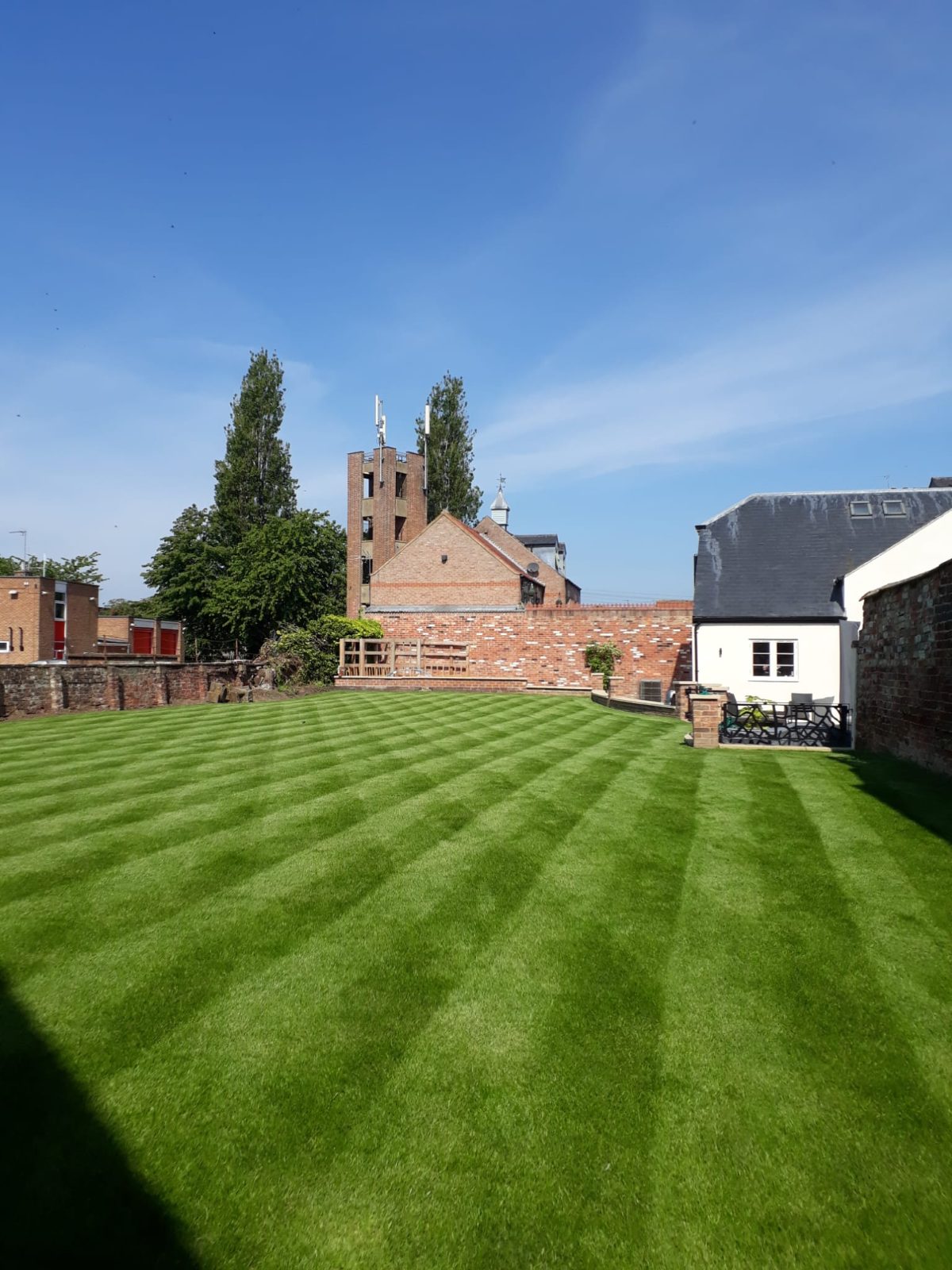
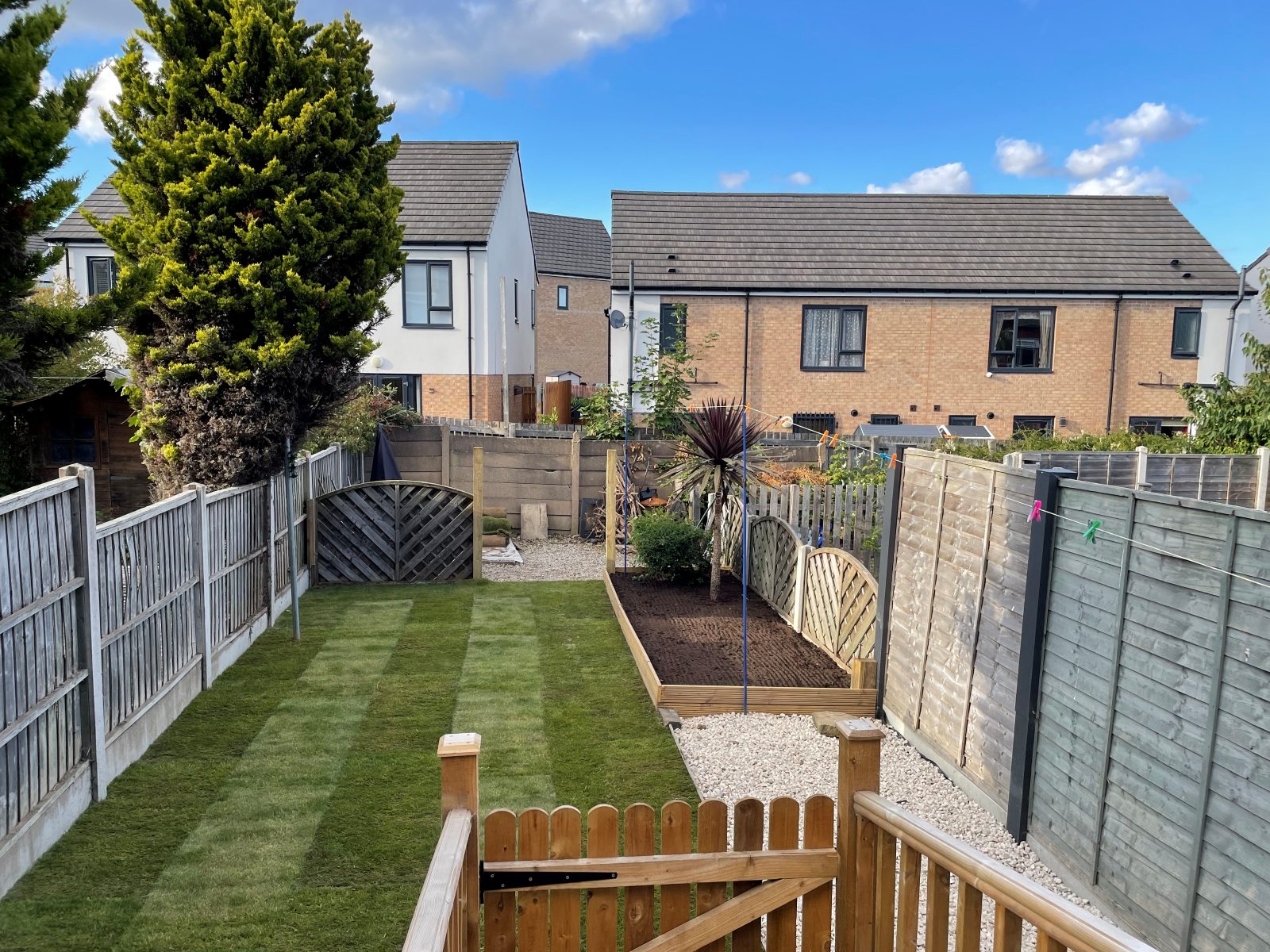
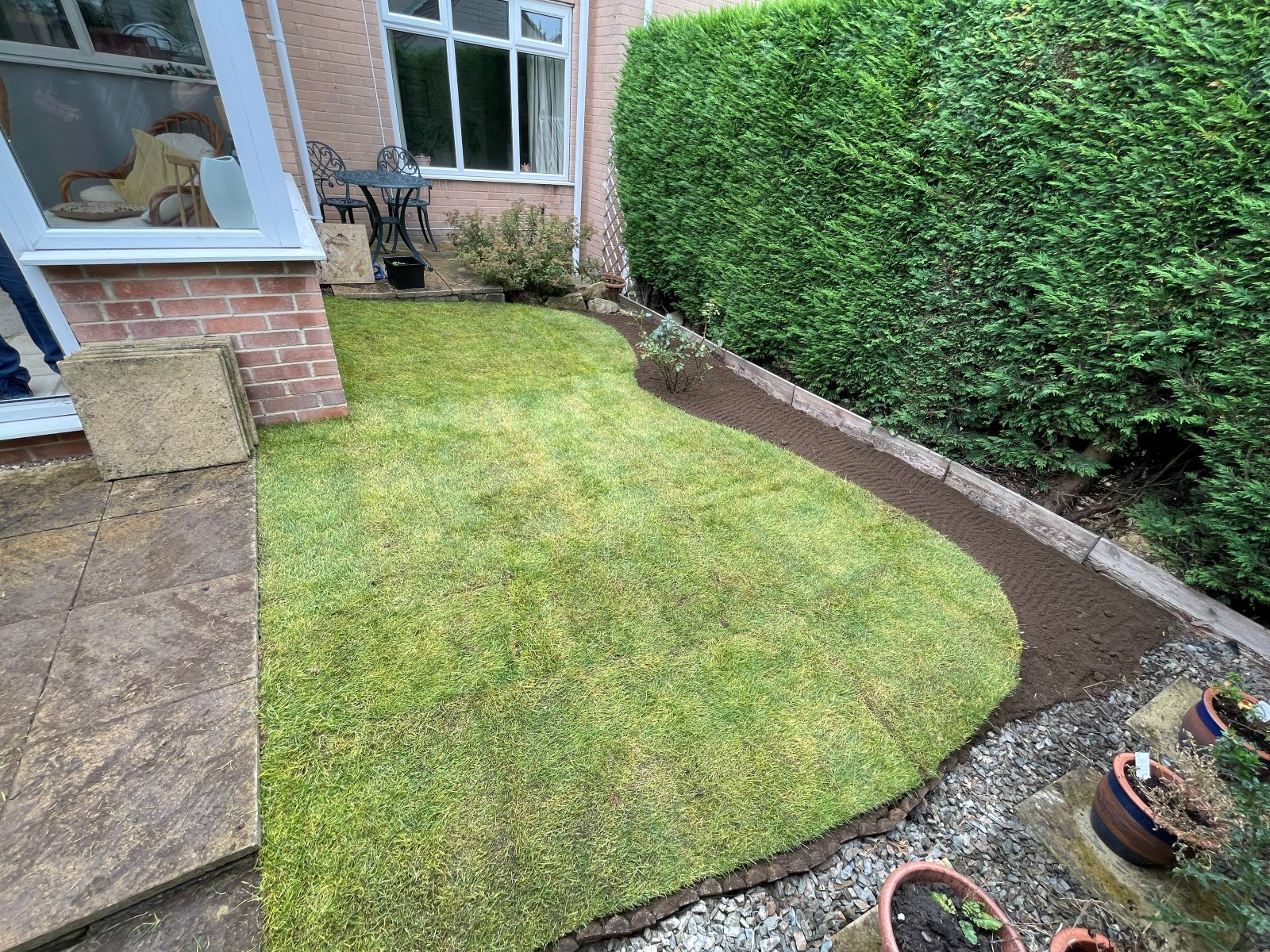
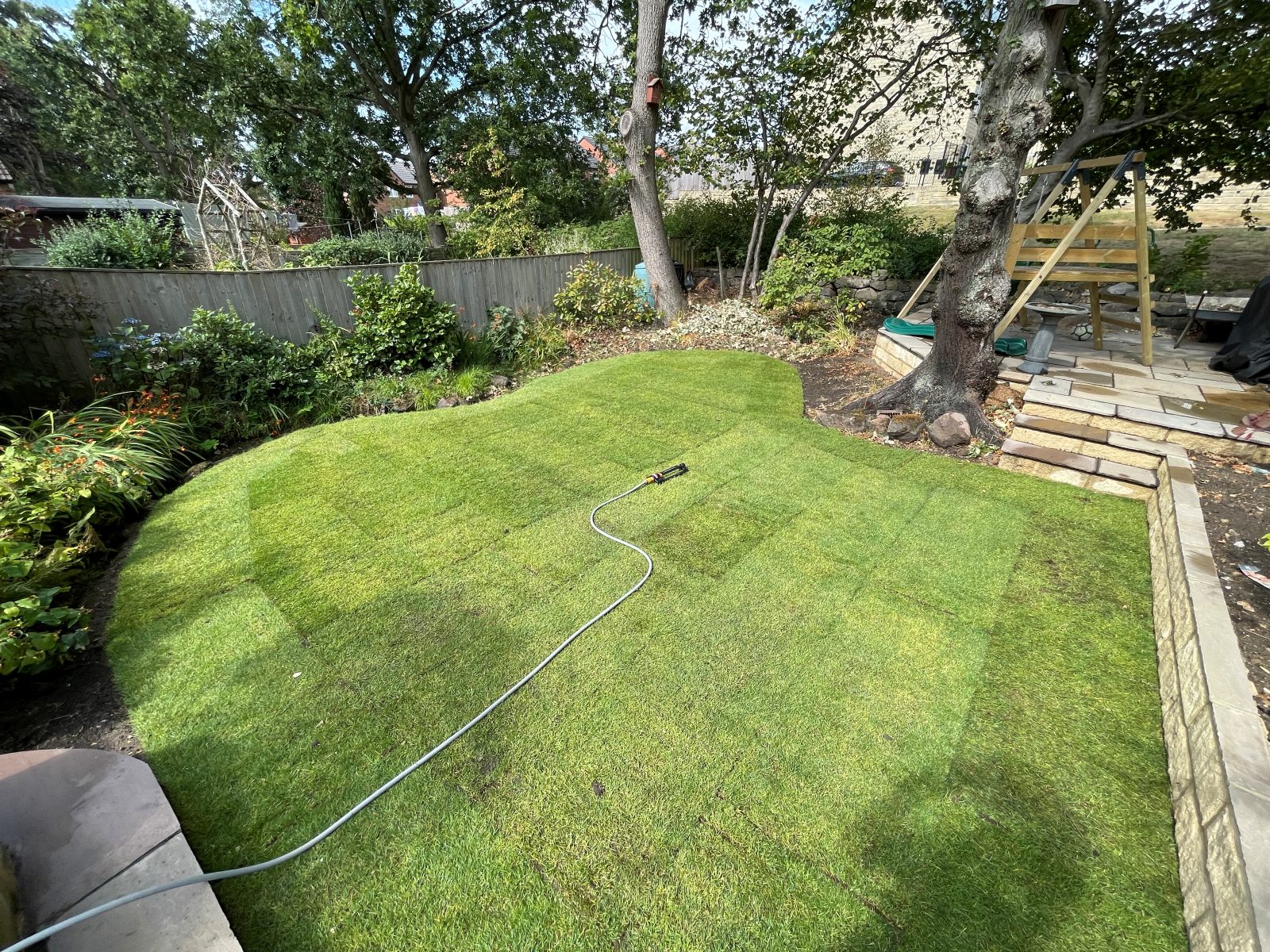
Scarifying, hollow-tine aeration, overseeding and topdressing — the greenkeeper's toolkit for bringing a dead, patchy, mossy or waterlogged lawn back to life without ripping it up and starting again.
Most tired lawns in Leeds aren't dead — they're compacted, thatched-up and starved. The right treatment fixes the cause, not just the symptoms.
Water sits on the surface after rain and the ground stays soggy for days. Classic compaction — aeration opens the soil so water drains through.
Spongy underfoot, green in winter, brown in summer. A thick thatch layer is choking the grass — scarifying rips it out.
Worn goal-mouths, dog patches, shady corners that never fill in. Overseeding into a prepared surface brings the density back.
Lawns scorched by drought or starved of nutrients often look finished but recover well once the soil is opened up, seeded and fed.
Rock-hard in summer, roots can't get down and the lawn browns off first in dry spells. Hollow-tine aeration is the fix.
Weeds move in wherever grass is thin. A dense, well-fed sward after renovation crowds them out naturally.
Choose a stand-alone aeration to fix compaction and drainage, or the full renovation package for a complete reset. Both quoted free after a site visit.
The greenkeeper's essential annual treatment. Ideal for lawns that puddle, feel hard underfoot or brown off quickly in summer — and as yearly maintenance for a lawn you already look after.
Great as a yearly top-up once your lawn is in good shape.
The complete reset for tired, patchy, mossy or "dead" lawns. Everything a golf greenkeeper does to a green each autumn — done to your garden.
Best carried out in spring or early autumn.
Each step prepares the ground for the next — skip one and the results suffer. Here's how we do it.
We inspect soil, thatch depth and grass cover at the site visit, then cut the lawn short on the day so the machinery reaches the base.
Multiple passes with a professional scarifier strip out moss, thatch and dead grass. All debris is raked, bagged and removed.
Soil plugs are pulled out across the whole lawn, relieving compaction and creating channels for seed, water and roots.
Quality seed is spread evenly, then a screened topsoil/sand dressing is brushed in to cover the seed and true-up the levels.
A balanced fertiliser kick-starts recovery. You get a simple watering and mowing plan so the new grass establishes properly.
We do both, so we've no reason to push you one way. Here's the rule of thumb we use at every site visit.
There's still a reasonable amount of live grass, the levels are broadly OK and the problems are moss, thatch, compaction, thin patches or poor colour.
When the lawn is mostly weeds and bare earth, badly uneven, or the soil underneath is builders' rubble, a fresh start gives a better lawn for the money.
The same preparation, machinery and know-how behind our new lawns goes into every renovation. Click to view larger.
Apex Landscapes provide professional lawn renovation across North Leeds using the same techniques greenkeepers use to keep golf and sports turf in peak condition. If you've been searching for lawn aeration, scarifying, overseeding or topdressing near you — or simply how to fix a dead, patchy or mossy lawn — this is the service you're looking for.
A garden-centre spring-tine rake and a hand fork can't remove thatch or relieve compaction across a whole lawn. We use a powered scarifier and a hollow-tine aerator that actually pull cores from the soil — the difference between a lawn that looks tidier for a week and one that's genuinely healthier for years.
Early autumn is the prime window: warm soil, reliable rain and little weed competition give new seed the best possible start. Spring is a strong second. Aeration on its own can be done through most of the year. Booking early for September and October is recommended as slots fill quickly.
Scarifying uses a machine with vertical blades to rake out the layer of dead grass, moss and thatch that builds up at the base of a lawn. Removing it lets air, water and nutrients reach the soil so new grass can grow thick and healthy.
Hollow-tine aeration pulls plugs of soil out of the lawn, relieving compaction and opening channels for air, water and roots. It's the single most effective treatment for lawns that puddle, feel hard underfoot or struggle in dry weather — and it's what golf and sports greens rely on.
Yes, briefly. Scarifying can look dramatic for a week or two, but with overseeding, topdressing and feed the new grass comes through quickly. Most lawns look noticeably thicker within four to six weeks and transformed by the following season.
Early autumn (September to October) is ideal — warm soil, regular rain and less weed competition. Spring (March to May) is the second-best window. Aeration on its own can be carried out most of the year outside of frost or drought.
Often, yes. Lawns that look dead after drought, compaction or moss usually still have live crowns and can be renovated. If more than about half the lawn is genuinely dead or it's badly uneven, a re-turf is usually the better value option — we'll tell you honestly at the free site visit.
Once a year is ideal for most domestic lawns, especially on clay soils or where the lawn gets heavy use from children and pets. Lawns in good condition can go every two years.
It depends on the size of the lawn and the package you choose. Aeration-only is the most affordable treatment; the full renovation package includes machinery, seed, topdressing and feed. All work is quoted after a free site visit with no obligation.
Book a free site visit. We'll assess the lawn, tell you honestly whether to renovate or re-turf, and quote for the package that suits.